
Africa: The World Began Here
Every conversation about the origins of modern humanity begins in Africa. That is a beginning, not a boundary.
The Smithsonian Human Origins Program places the emergence of Homo sapiens in Africa roughly 300,000 years ago. From there, the human story spread across the planet. Africa remained a place of extraordinary political, scientific, artistic and cultural development in its own right.
The ancient record is enormous
The Nile Valley produced civilizations whose monuments still shape global imagination. Nubia and Kush built powerful states. West African empires such as Mali controlled major trade networks, while cities including Timbuktu became centers of scholarship.
Those examples are not proof that Africa had a glorious past and then stopped. They are reminders that the habit of beginning African history with European contact is historically absurd.
Fifty-four countries means fifty-four countries
Africa spans desert, rainforest, highlands, coastlines, megacities and small farming communities. More than 2,000 languages are spoken across the continent. Yoruba, Wolof, Amharic, Igbo, Akan, Zulu, Somali and countless other identities cannot be compressed into a single generic 'African culture.'
The same caution applies to food, religion, politics, music and economic development. Continental connection matters, but specificity matters too.
The future is already being written
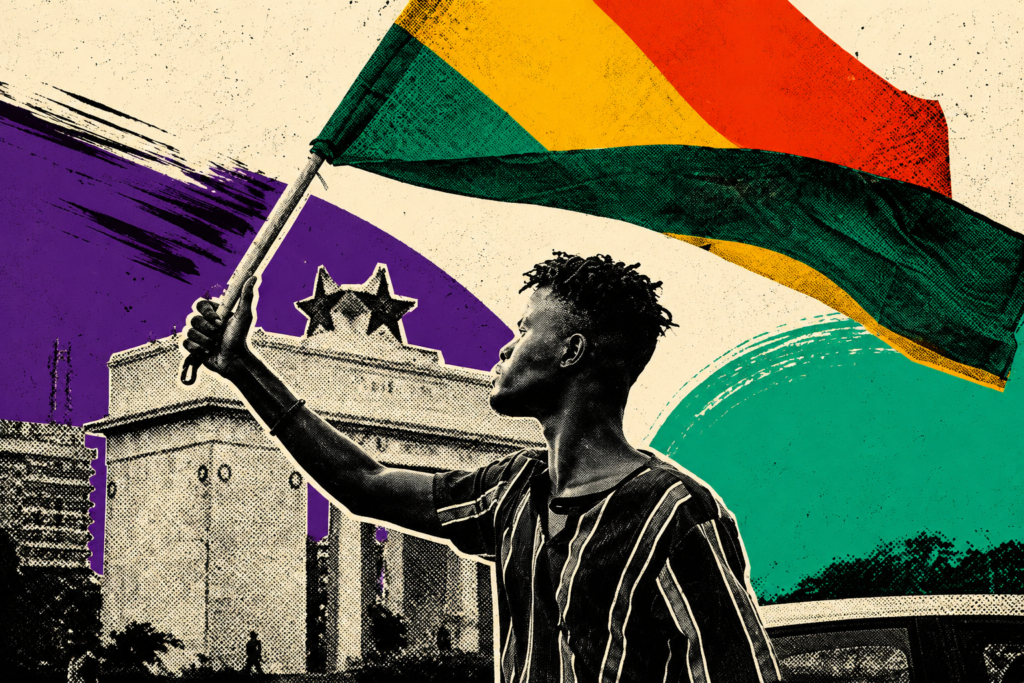
Mobile money, creative industries, clean-energy projects, film, fashion, architecture and technology are expanding in different ways across the continent. African writers, artists, founders and researchers are not 'catching up' to history. They are participating in the present on their own terms.
The Black World story is strongest when Africa is allowed to be ancient and modern, local and global, familiar and surprising at the same time.
- 54 countries
- 2,000+ languages
- Ancient civilizations
- Modern innovation

 designed and developed by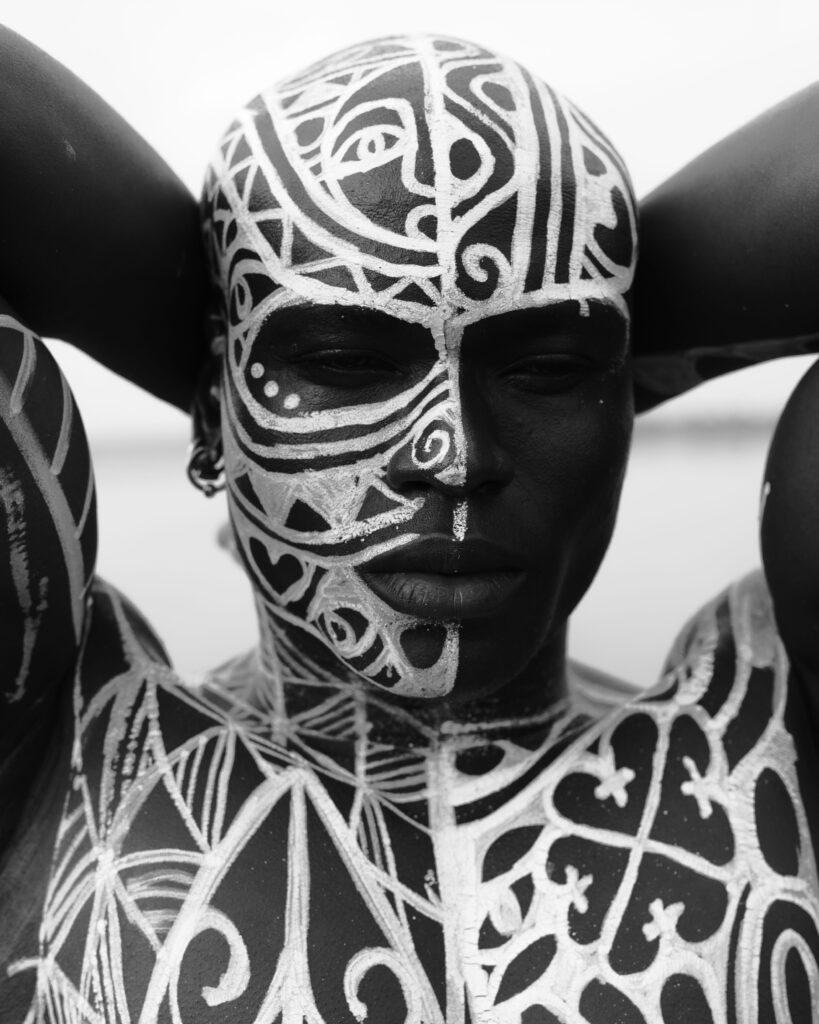
Post a Comment