
The Black Diaspora Is Bigger Than the United States
Blackness in the United States is not the whole Diaspora. It is one history inside a global family created through forced migration, voluntary migration, empire, trade and generations of community-building outside Africa.
The African Union defines the African Diaspora broadly as people of African origin living outside the continent who are willing to contribute to the continent's development and the building of the African Union.
The Atlantic created many Black worlds
SlaveVoyages estimates show that the overwhelming majority of Africans who survived transatlantic slave voyages landed in the Caribbean and South America rather than mainland North America. That history produced enormous Afro-descendant populations across Brazil, the Caribbean, Colombia, Venezuela and other parts of the Americas.
ECLAC and FAO continue to document Afro-descendant communities across Latin America and the Caribbean, including rural communities often missing from global discussions of Black life.
Diaspora also means later migration
The African Diaspora is not only the descendants of the transatlantic slave trade. Modern African migration has created communities across Europe, North America, the Middle East, Asia and other African countries.
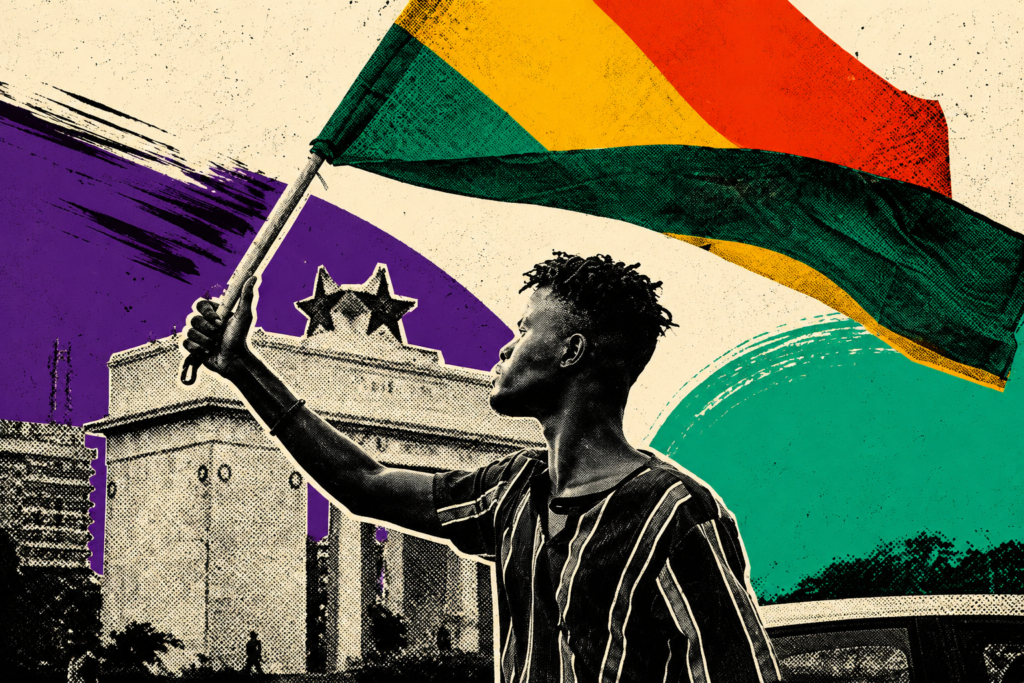
That means 'Black world' stories can connect a Jamaican Londoner, a Senegalese Parisian, an AfroBrazilian family in Bahia and a Ghanaian American entrepreneur without pretending their histories are identical.
Connection works best without flattening
Shared African ancestry can create cultural echoes in music, religion, food, language and political imagination. But the Diaspora is not one culture. National history, language, class, religion and local politics make every Black community specific.
BCW's job is to make the map bigger while keeping the people on it distinct.

 designed and developed by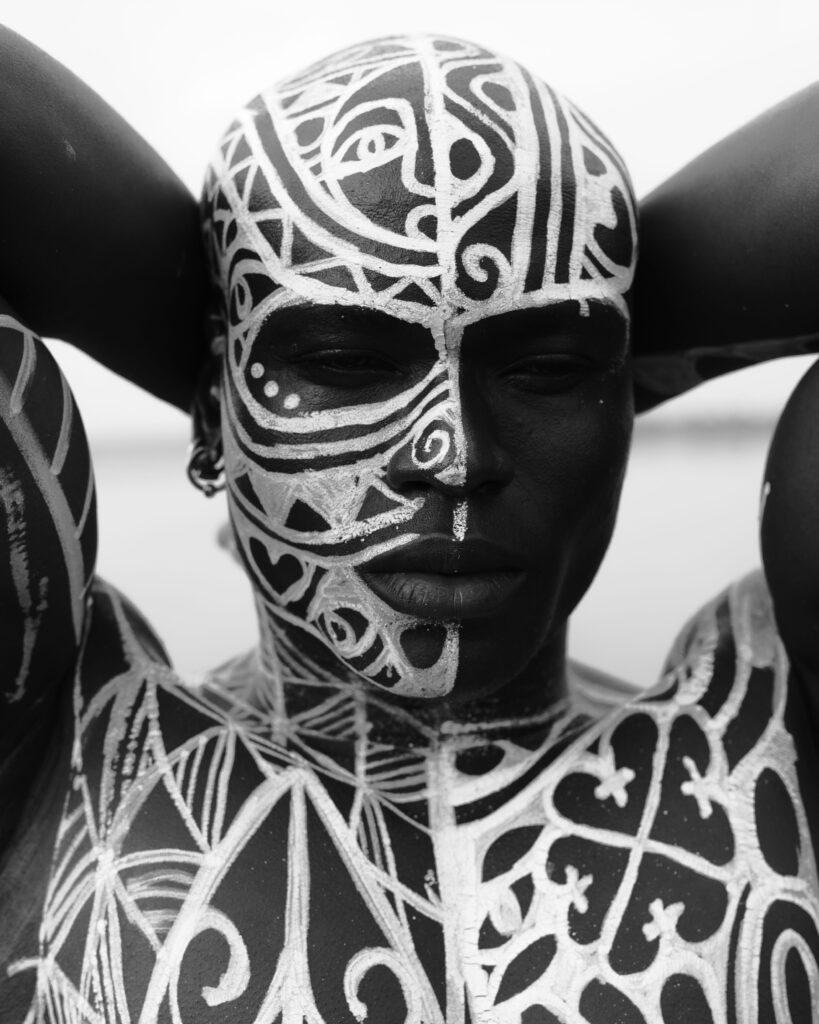
Post a Comment